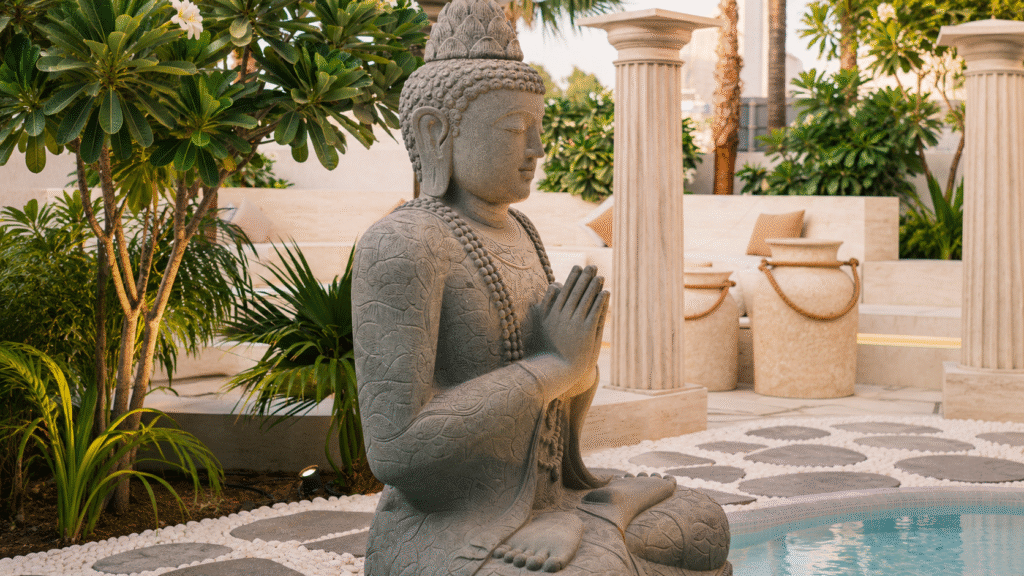
Curious about an Ayurvedic wellness consultation? Discover how traditional dosha assessments, lifestyle discussions and individual preferences help guide treatment choices at SOHUM Wellness Sanctuary in Al Quoz, Dubai, including how herbal oils and Ayurvedic rituals are selected.


Two people can walk into a wellness sanctuary feeling equally exhausted and leave with entirely different treatment recommendations.
One might enjoy a warm oil massage, while the other prefers gentler therapies or wants guidance on improving their daily self-care routine.
This is where an Ayurvedic wellness consultation becomes valuable.
If you are exploring Ayurveda in Dubai, a consultation offers an opportunity to understand traditional practices, discuss your individual needs and find suitable treatments rather than simply choosing something unfamiliar from a menu.
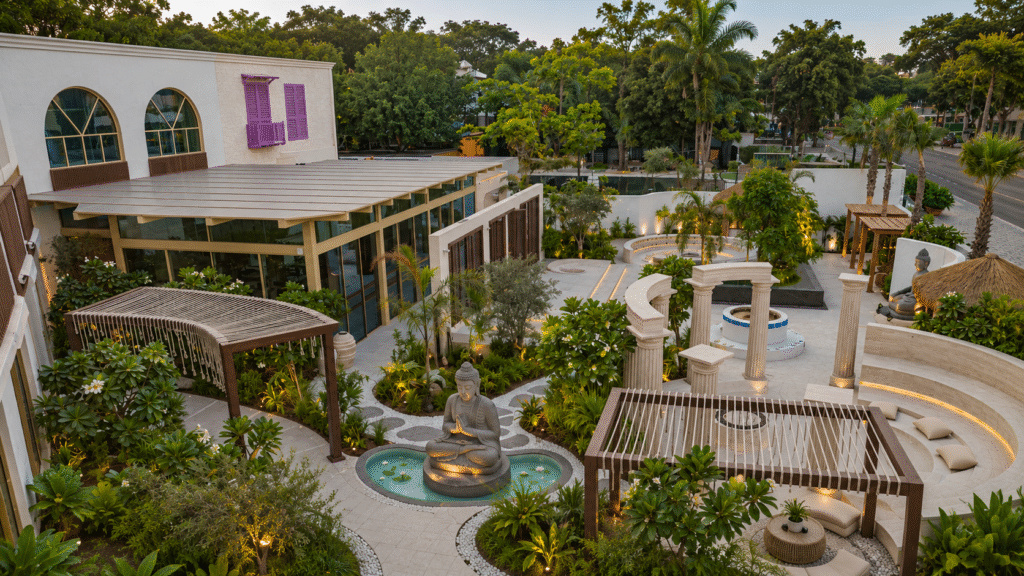
At SOHUM Wellness Sanctuary in Al Quoz, this personalised approach helps guests explore Ayurveda according to their preferences, lifestyle and wellbeing goals.
What Happens During an Ayurvedic Wellness Consultation?
An Ayurvedic consultation begins with a conversation about you, rather than immediately recommending a massage or treatment.
The practitioner may ask about your daily routine, sleeping patterns, eating habits, physical activity and general sense of wellbeing.
At SOHUM, wellness consultations consider lifestyle, personal concerns and individual goals before discussing relevant therapies and self-care practices.
For example, someone working long hours at a desk might describe tension around their shoulders or difficulty finding time to relax.
Another person may be interested in traditional Ayurveda but unsure which treatments or herbal oils would suit their preferences.
These conversations help practitioners understand what each guest hopes to experience.
SOHUM’s published information describes general wellness consultations as typically lasting 30–45 minutes, with both in-person and virtual options. Specialised Ayurvedic consultations may involve different arrangements or fees, which should be confirmed before booking.
Understanding Your Dosha in Traditional Ayurveda
One of the fundamental concepts of Ayurveda is the relationship between three doshas: Vata, Pitta and Kapha.
These represent combinations of qualities traditionally associated with different physical and behavioural characteristics.
- Vata is traditionally associated with movement, lightness and dryness.
- Pitta is associated with heat, transformation and intensity.
- Kapha represents qualities such as stability, heaviness and structure.
Ayurvedic practitioners may consider these traditional classifications when discussing lifestyle habits, herbal preparations and treatment choices.
However, doshas are not medically established diagnostic categories. A traditional dosha assessment cannot identify nutrient deficiencies, hormonal disorders or underlying medical conditions.
At SOHUM, these principles help explain the traditional reasoning behind different Ayurvedic rituals and personalised treatment recommendations.
You do not need to know your dosha before arriving. Understanding these concepts can be part of the consultation itself.
Why Your Daily Routine Matters as Much as Your Treatment
A wellness consultation allows you to discuss something a standard treatment booking may not fully explore: how your everyday lifestyle influences your preferences and available time.
Consider someone who spends most of the working day sitting, rarely takes breaks and struggles to switch off in the evening.
Rather than immediately recommending an extensive programme, a consultation can explore which relaxation practices might fit realistically into their schedule.
Someone with an active lifestyle may prefer a different experience, particularly after a physically demanding day.
The conversation may cover sleep routines, mealtimes, movement, personal habits and opportunities for rest.
The aim is not to create an overwhelming list of changes but to identify practical choices that suit the individual.
If herbal supplements or major dietary changes are suggested, discuss their suitability with an appropriately qualified healthcare professional, particularly if you take medication.
How Ayurvedic Consultations Guide Herbal Oil Selection
Warm herbal oils are an important feature of several traditional Ayurvedic therapies.
Unlike conventional massage, where oil is often used primarily to reduce friction, Ayurvedic treatments also consider the traditional properties, preparation and selection of oils.
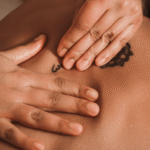
For example, Abhyanga massage involves rhythmic movements using warm herbal oils selected according to Ayurvedic principles.
According to SOHUM’s Ayurvedic practitioner, sesame oil and coconut oil are among the primary base oils used in traditional preparations, alongside castor oil.
Plant extracts, prepared as liquids or pastes, are traditionally cooked directly into these base oils to produce herbal formulations suited to individual requirements.
The practitioner also explains that these preparations contain no added preservatives and that their shelf life depends on the cooking method.
When herbal ingredients are cooked until a dry, hard residue forms, the resulting oil generally has a longer shelf life than preparations in which moisture remains in a paste-like residue.
The warmth of the oil serves a practical purpose. It helps therapists move their hands smoothly across the skin, reducing friction during rhythmic massage.
Warmth and massage may also help ease sensations of everyday muscle stiffness and encourage physical and mental relaxation. Traditional Ayurveda additionally associates oil massage with supporting circulation, although claims about deep-tissue absorption or substantial improvements in blood and lymphatic flow require stronger scientific evidence.
Understanding these details helps explain why a practitioner may discuss different oils before recommending a treatment.
Personal sensitivities remain important. Guests should always mention allergies or reactions to botanical ingredients before treatment.
How Different Ayurvedic Rituals Are Selected
Not every Ayurvedic treatment involves a full-body massage.
Abhyanga, for example, focuses on rhythmic oil application across the body and may appeal to someone who enjoys flowing massage movements.
Shirodhara offers a different experience. During this traditional ritual, a continuous stream of comfortably warm oil flows over the forehead while the guest rests.
Its repetitive sensation is traditionally associated with relaxation and a calmer state of mind.
Other external Ayurvedic therapies use oils and traditional preparations in different ways.
The choice depends on the individual’s preferences, the intended experience and the suitability of the treatment.
A consultation also provides an opportunity to discuss massage pressure, oil temperature, skin sensitivity and any relevant health considerations.
From Individual Treatments to Personalised Wellness Journeys
Not everyone visiting SOHUM needs an extended programme.
For someone new to Ayurveda, a single treatment may be a comfortable introduction.
Others may prefer combining complementary therapies during a longer visit.
SOHUM’s Wellness Journeys bring together selected Ayurvedic treatments, body therapies and mindful relaxation experiences.
Its De Stress Journey, for example, combines Abhyanga and Shirodhara.
These experiences typically last around 120–180 minutes, depending on the programme.
A consultation can help guests understand whether an individual ritual or a longer experience better suits their interests, comfort and available time.
Personalisation does not necessarily mean booking more treatments. It means choosing an experience that makes sense for the individual.
Preparing for Your First Ayurvedic Consultation in Dubai
There is no need to study Ayurvedic terminology or complete a dosha questionnaire before visiting.
Think about your daily routine, previous experiences with massage and what you hope to gain from the consultation.
It can also help to consider any allergies, medical conditions, medications or sensitivities that could affect treatment suitability.
Ask about the oils used, treatment duration, pressure, temperature and any preparation requirements.
Most importantly, feel comfortable asking questions. A consultation should help you understand your options before making an informed decision.
Frequently Asked Questions
How long does an Ayurvedic wellness consultation at SOHUM take?
SOHUM describes general wellness consultations as typically lasting 30–45 minutes. Specialised Ayurvedic consultations may follow different arrangements. Confirm the duration, format and current fees with the team before booking your appointment.
Do I need to know my dosha before booking?
No. You do not need previous knowledge of Vata, Pitta or Kapha. A practitioner can introduce these traditional concepts and explain how they may influence Ayurvedic treatment recommendations.
Can I have an Ayurvedic consultation online?
SOHUM offers both in-person and virtual general wellness consultations. Ask whether your preferred specialised Ayurvedic assessment is available remotely or requires an in-person appointment.
Is an Ayurvedic consultation the same as a medical diagnosis?
No. An Ayurvedic consultation considers wellbeing through traditional principles and personal habits. It does not replace medical diagnosis, testing or treatment. Persistent symptoms or medical concerns should be discussed with a qualified healthcare professional.
Are different herbal oils used for different people?
Yes, traditional Ayurvedic practice may select different base oils and herbal preparations according to the individual’s constitution and treatment requirements. Sesame, coconut and castor oils are among the bases described by SOHUM’s practitioner. Always disclose ingredient allergies or sensitivities.
Do I have to book a treatment after my consultation?
A consultation provides an opportunity to understand suitable options. It does not automatically mean you need an extended treatment programme. Ask SOHUM about its current consultation and booking policies before making your decision.
Begin Your Ayurvedic Experience With a Personal Conversation
You do not need to understand every Ayurvedic treatment before visiting SOHUM Wellness Sanctuary.
Perhaps you are curious about traditional herbal oils, interested in experiencing Abhyanga or simply unsure which ritual would suit your lifestyle and preferences.
A personalised consultation gives you an opportunity to ask those questions and explore your options.
At SOHUM Wellness Sanctuary in Al Quoz, Dubai, the team can guide you through the available Ayurvedic experiences and help you understand what to expect.
Contact SOHUM on WhatsApp to enquire about a personalised wellness consultation and current booking arrangements.
Book a Consultation
It’s easy and free!